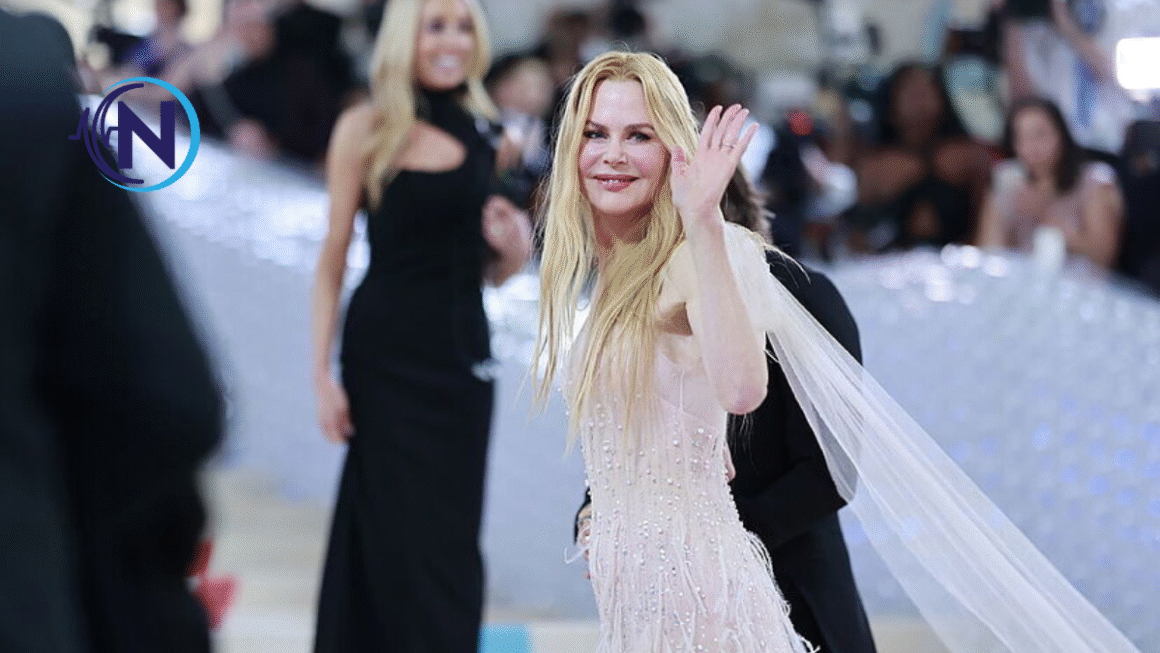
Victoria Schweden, the Crown Princess of Sweden, is one of the most prominent royal figures in modern Europe. As the heir apparent to the Swedish throne, she embodies both tradition and progress within the monarchy. Born into the House of Bernadotte, Victoria has spent her life balancing royal duties with a genuine connection to the Swedish people. Her story is not only one of privilege and responsibility but also of dedication, perseverance, and public service. Over the years, she has evolved into a modern royal who combines grace, intelligence, and compassion in every aspect of her life.
Her role as a royal is more than ceremonial; she represents Sweden on the international stage, promotes social and charitable causes, and acts as a symbol of continuity in a rapidly changing world. Victoria’s life journey—from childhood to becoming a global royal icon—is a testament to her resilience and ability to maintain a personal identity while fulfilling public responsibilities. Readers will gain a comprehensive understanding of her early life, royal career, family, style, and influence, highlighting why she is admired both in Sweden and internationally.
Victoria’s prominence extends beyond her royal duties. She has become a cultural figure, inspiring younger generations with her commitment to social causes, education, and environmental advocacy. Her influence is also evident in her style and public appearances, which consistently attract global media attention. This article explores the many facets of Victoria Schweden’s life, offering insight into her enduring legacy and her impact on Sweden’s monarchy and society.
Early Life and Background
Victoria was born on 14 July 1977 at the Karolinska University Hospital in Stockholm, Sweden. She is the eldest child of King Carl XVI Gustaf and Queen Silvia, making her the heir to the Swedish throne. Her upbringing was steeped in royal tradition, yet her parents ensured she experienced a relatively normal childhood, attending school alongside her peers and engaging in everyday activities. This blend of royal duty and ordinary life helped shape her approachable and empathetic character, traits that have defined her public persona.
Education played a significant role in Victoria’s early life. She attended various schools in Sweden and studied abroad to gain a broader perspective of the world. Her academic journey included studies in political science, international relations, and environmental issues, preparing her for future responsibilities as a monarch. Victoria also undertook extensive training in ceremonial protocol, history, and governance, equipping her with the skills needed for state duties.
Her childhood was not without challenges. Victoria was diagnosed with dyslexia, which made learning a struggle in her early years. However, she worked diligently to overcome these difficulties, proving her resilience and determination. This personal challenge has also informed her empathy towards individuals facing similar obstacles, influencing her advocacy for education and learning disabilities.
Victoria’s early interests extended beyond academics. She had a keen interest in sports, music, and cultural activities, which allowed her to engage with the public in diverse ways. These experiences nurtured her ability to connect with people of all ages, laying the foundation for her future role as a beloved and influential Crown Princess.
Royal Duties and Career
Victoria Schweden assumed her official role as Crown Princess of Sweden at an early age, stepping into a position that demands both tradition and innovation. As the heir apparent, her responsibilities encompass ceremonial duties, state functions, and diplomatic engagements. Victoria represents Sweden in various international forums, fostering relations with other nations and promoting Swedish culture and values abroad. Her career as a royal is characterised by a careful balance between preserving the monarchy’s traditions and embracing modernity.
Her work includes numerous public appearances at official events, national celebrations, and state visits. Victoria has become a familiar face at international summits, royal gatherings, and humanitarian forums. She frequently engages with organisations dedicated to education, healthcare, and social welfare, reflecting her commitment to using her position for public good. Her presence adds gravitas to Sweden’s diplomatic efforts and highlights the monarchy’s relevance in contemporary society.
Victoria has also been actively involved in social causes. She advocates for children’s rights, health initiatives, and environmental sustainability. These efforts extend beyond symbolic support; she actively participates in campaigns, visits institutions, and engages with experts to ensure meaningful impact. Her dedication to these causes underscores her belief that royalty carries the responsibility of service and influence.
Throughout her career, Victoria has shown adaptability and resilience. She navigates the complex expectations of being a royal while maintaining personal authenticity. Her leadership style is approachable yet authoritative, combining warmth with a clear sense of duty. This blend of qualities has solidified her reputation as a capable and progressive Crown Princess, admired both in Sweden and internationally.
Personal Life and Family
Victoria’s personal life is a vital aspect of her public image. She married Daniel Westling, now Prince Daniel, Duke of Västergötland, in a celebrated ceremony that captured worldwide attention. Their marriage is often described as a modern royal love story, combining genuine affection with the formalities of royalty. Together, they have two children: Princess Estelle and Prince Oscar. The family is frequently seen attending official events while also maintaining moments of private family life, highlighting Victoria’s ability to balance her personal and royal responsibilities.
Her role as a mother has added a new dimension to her public persona. Victoria often speaks about the joys and challenges of parenting, demonstrating a relatable side that resonates with the public. Her commitment to providing a nurturing environment for her children while fulfilling royal duties showcases her organisational skills and dedication.
Victoria and her family also participate in numerous charitable initiatives. By involving her children in public service from a young age, she instils values of empathy, responsibility, and social awareness. Her approach to family life reflects the changing dynamics of modern royalty, emphasising a balance between tradition and contemporary values.
Media coverage of Victoria’s personal life has been generally positive, focusing on her poise, commitment, and relatability. Unlike some royals, she maintains a careful boundary between public and private life, ensuring that her family’s wellbeing remains a priority. This discretion adds to her respectability and strengthens her role as a model royal figure.
Fashion, Style, and Public Image
Victoria Schweden is widely recognised for her elegant and refined fashion sense. Her style is characterised by a balance of classic sophistication and modern trends, making her a global fashion icon. From state dinners to casual public appearances, she consistently demonstrates a sense of style that aligns with her royal status while remaining accessible and relatable to the public.
Her fashion choices often highlight Swedish designers, promoting the country’s creative talent on the international stage. Victoria’s wardrobe selections are thoughtful, often symbolising respect for the occasions she attends and reflecting her understanding of royal protocol. Her ability to blend tradition with contemporary aesthetics enhances her public image and reinforces her influence in both fashion and cultural representation.
Victoria’s public appearances are carefully managed, contributing to her overall image as a modern, approachable royal. She communicates authenticity through her expressions, gestures, and interactions with the public. Her poise and elegance, combined with her charitable and diplomatic work, create a well-rounded persona admired worldwide.
The Crown Princess’s style extends beyond clothing. Her communication style, public speeches, and social media engagement contribute to a cohesive public image that embodies modern monarchy. Victoria’s ability to connect with people of all ages and backgrounds solidifies her role as a relatable yet authoritative figure, making her one of Europe’s most respected royals.
Legacy and Influence
Victoria Schweden’s legacy is defined by her dedication to public service, social causes, and the modernisation of the Swedish monarchy. She has successfully navigated the challenges of royal life while maintaining authenticity, compassion, and intelligence. Her influence extends beyond ceremonial duties, shaping societal attitudes toward education, health, environmental issues, and women’s empowerment.
As a Crown Princess, Victoria represents continuity and stability within the monarchy. She bridges the gap between tradition and progress, ensuring that the royal family remains relevant in contemporary society. Her efforts in diplomacy, public service, and cultural representation have strengthened Sweden’s image internationally.
Victoria’s advocacy work has a tangible impact, inspiring both younger generations and her peers. She is a role model for women in leadership, demonstrating that influence comes with responsibility, empathy, and action. Her initiatives in education, healthcare, and environmental protection exemplify a commitment to meaningful change.
Through her public service, family life, and personal authenticity, Victoria Schweden has cemented her status as one of the most admired royals in Europe. Her legacy is not only about her position as heir apparent but also about the values she embodies—dedication, empathy, and modernity.
Conclusion
Victoria Schweden stands as a remarkable example of modern royalty, blending tradition with contemporary relevance. Her life journey—from childhood challenges to becoming Crown Princess—reflects resilience, dedication, and a commitment to public service. Through her royal duties, family life, fashion influence, and advocacy, she has become a symbol of grace, authenticity, and progress.
Her legacy continues to grow as she inspires both her nation and the world. Victoria demonstrates that monarchy, when combined with empathy and purpose, can be a force for positive change. Her story is one of leadership, compassion, and influence, making her an enduring figure in Sweden’s royal history.
Frequently asked questions
Who is Victoria Schweden?
Victoria Schweden is the Crown Princess of Sweden and heir to the Swedish throne.
When was Victoria Schweden born?
She was born on 14 July 1977 in Stockholm, Sweden.
Who is Victoria Schweden married to?
Victoria is married to Prince Daniel, Duke of Västergötland.
How many children does Victoria Schweden have?
She has two children: Princess Estelle and Prince Oscar.
What are Victoria Schweden’s main charitable interests?
She focuses on health, education, environmental sustainability, and social welfare initiatives.
What is Victoria Schweden’s role in the Swedish monarchy?
As heir apparent, she performs royal duties, represents Sweden internationally, and engages in public service.
What is Victoria Schweden’s fashion style known for?
Her style is elegant, modern, and sophisticated, often highlighting Swedish designers.
Also Read: anika neuer